Expert Skip Hire in Notting Hill for Homes and Businesses
Notting Hill skip hire is the straightforward way to keep a clear site when you have waste building up after a home clear-out, renovation, garden job or commercial project. We help customers choose a suitable service, understand what can go in the load and arrange removal in a way that suits the job. If you need a practical waste solution in West London, start by checking the service that matches your rubbish type and the amount of material involved.
Our homepage brings together the core services people usually need when they are dealing with bulky waste, mixed waste, builders’ debris, household items or specialist disposal requirements. That includes skip hire, rubbish removal, house clearance, builders skip hire and a range of related collections and clearances. The aim is simple: give you a clear choice, explain the differences and help you move from clutter to an organised plan without unnecessary guesswork.
Because not every job works the same way, it helps to think about the work first rather than the container. A small domestic job may be best suited to a compact collection or a short-term skip, while a larger renovation or commercial clearance may need a different approach altogether. If you are unsure which route is right, our skip sizes and prices information is a useful place to compare options before you book.
Notting Hill skip hire and waste removal made clear
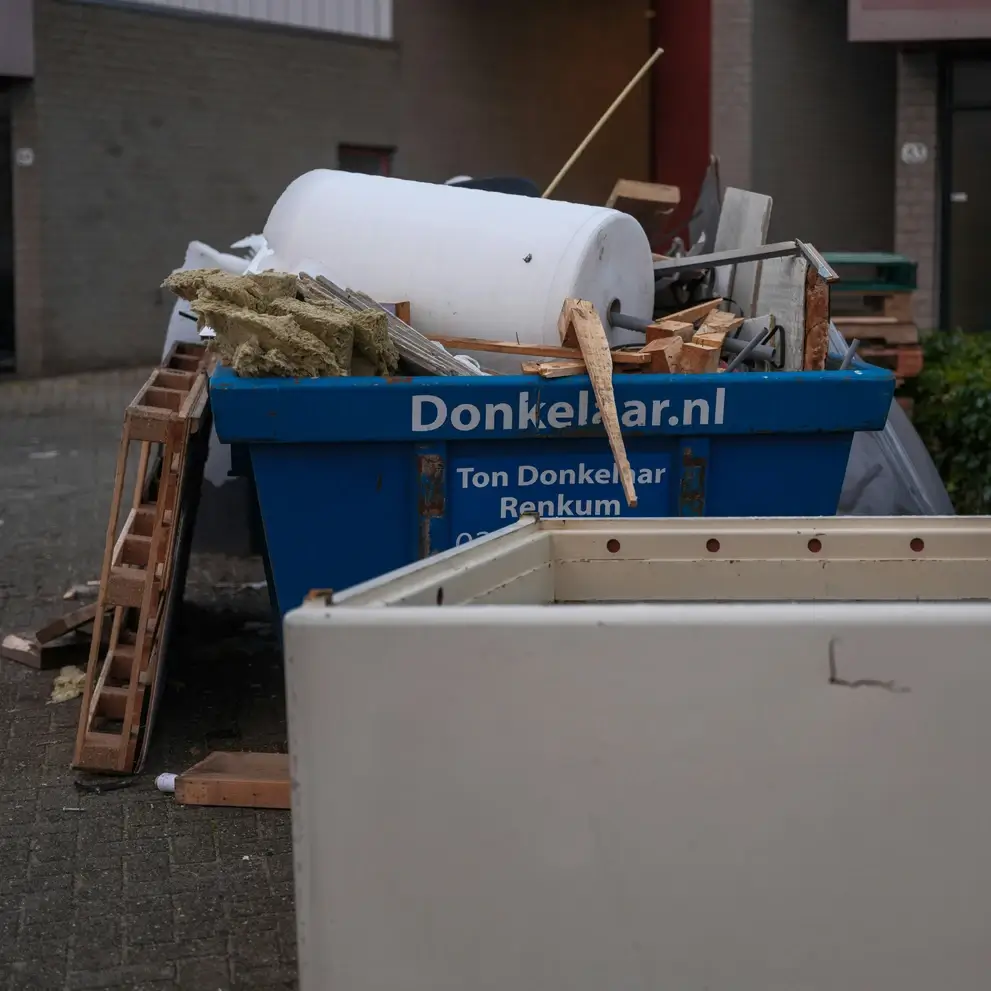
Skip hire is often the easiest option when you have waste to load over time and want a fixed place to put it while you work. It suits jobs that create ongoing rubbish rather than a one-off pile. That might include old furniture, refurbishment waste, packaging, mixed household junk or materials from a strip-out. If the waste will be generated in stages, a skip can give you the breathing room to sort it properly. If you need a quicker turnaround or limited space for placing a container, a wait and load skip hire approach may be a better fit.
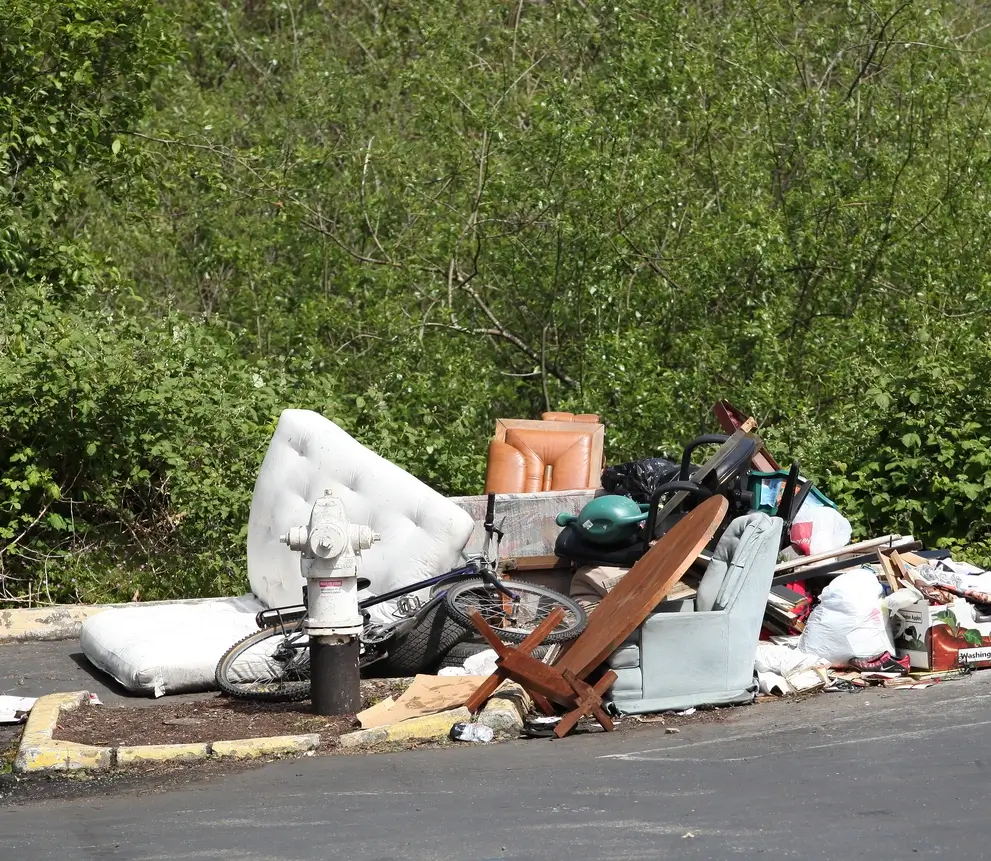
For customers who want items taken away without having to fill a skip themselves, our rubbish removal service is often the more convenient choice. That type of service is helpful when the waste is already gathered, or when you want a team to do the lifting and loading. It can be particularly useful for bulky items, mixed rubbish or a clear-out where the material is ready to go. If you are dealing with furniture, appliances or domestic clutter, it is worth comparing the task with house clearance or garage and loft clearance so you choose the right level of help.
Commercial customers often need a more structured solution. Offices, shops, landlords, trades and contractors may all produce different waste streams and have different timing needs. In those cases, commercial skip hire, office clearance and site clearance can each serve a different purpose. The right option depends on whether you are handling general business rubbish, clearing a workplace, or removing debris from a larger project site.
There are also jobs where the waste itself matters as much as the volume. Builders’ rubble, soil, hardcore and mixed construction debris can need a different setup from household waste. For that reason, services such as builders waste removal, construction waste clearance and construction waste disposal are useful when the material is heavily weighted or comes from a project with more specific handling needs. If the work involves demolition or a full strip-out, demolition waste removal may be more appropriate than a general rubbish collection.
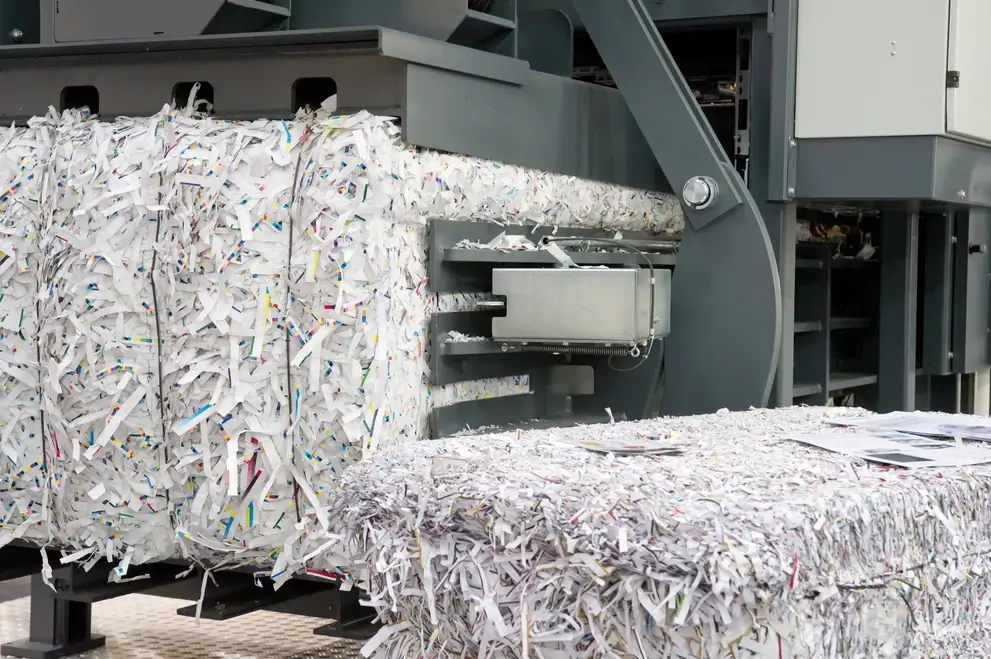
We also cover specialist disposal and practical add-on services that help people deal with awkward items. That includes hazardous waste disposal, fridge and appliance removal, mattress and sofa disposal and confidential shredding. Not every job needs one of these, but they are important when the waste cannot simply be treated as general rubbish. Choosing the correct route at the start usually saves time later and helps avoid delays caused by unsuitable loads.
What the service can cover, and what needs separate agreement
One of the most useful ways to approach waste removal is to separate what is being taken away from how it is being handled. A skip may suit loading waste yourself over several days. A removal service may suit a single clearance where the team does the lifting. A specialist disposal service may suit items that need separate handling because of their size, composition or disposal route. That distinction matters, because it shapes how you plan the job and what information you need to give when enquiring.
For example, a homeowner clearing a spare room may simply need a straightforward household solution. A landlord dealing with post-tenancy rubbish may need a clearance that handles mixed items quickly. A contractor removing rubble from a renovation may need builders’ waste support or a skip that matches the material type. And if you are disposing of confidential files or certain appliances, you need a service built for that task rather than a general collection.
Our service range reflects those different needs. It includes general options such as domestic skip hire and man and van, as well as more specific services like grab hire services and grab lorry hire. These are not interchangeable. Each one suits a different type of waste, access arrangement or working style, so it is worth thinking carefully about the site before you decide.
If your project includes awkward access, narrow parking or limited frontage, the practicalities become especially important. In those cases, a quicker collection method may be more realistic than a container that has to stay on site. That is why same day skip hire or wait and load skip hire can be useful for some jobs, while other customers prefer a more traditional hire period. The right answer depends less on the label and more on the waste, the access and the pace of the work.
- Best for staged waste: jobs where rubbish builds up over time, such as decorating, light refurbishments or ongoing clear-outs.
- Best for one-off clearances: jobs where everything is ready to go and you want a team to remove it in one visit.
- Best for mixed project debris: building, demolition or site work that creates heavier or more varied waste.
- Best for specialist items: appliances, hazardous material, confidential paperwork and other waste that should not go in a general load.
If you are in doubt, it is usually better to describe the job in plain language than to try to classify it yourself. Tell us what needs removing, where it is, whether it is bagged or loose, and whether access is straightforward. That gives you a more useful recommendation than a vague label ever could.
How to choose the right waste solution for your project
The simplest way to decide is to ask three questions: how much waste do you have, what is it, and how quickly does it need to go? Those three factors do most of the work. A few black bags from a bathroom refresh point to a very different solution from several tonnes of rubble from a structural change. Likewise, a clean-out of furniture and household items is not the same as a load that includes soil, bricks or mixed demolition debris.
For domestic customers, the most common jobs tend to be loft clearances, garage clearances, garden clearances and general decluttering. In those situations, garage and loft clearance and garden waste removal can be more suitable than a broad one-size-fits-all approach. If the material is part of a wider property clean-up, house clearance may be the better starting point because it is designed for larger household jobs rather than just a few isolated items.
For trades and contractors, the choice often comes down to speed, material type and access. If there is room and the waste is straightforward, builders skip hire can be an efficient option. If access is tight or the site cannot host a skip for long, grab hire services may be more practical. For bigger building jobs, the distinction between builders waste removal and construction waste clearance matters because some projects need the flexibility of a clearance visit, while others are better served by a container-based plan.
For business customers, the main questions are usually about disruption and timing. Office furniture, archive material and redundant equipment need to be removed with minimal interruption. Retail stock, packaging and refurb waste need a solution that fits around opening hours and site constraints. That is where office clearance and commercial skip hire can each be useful depending on the scale and structure of the job.
It is also worth considering whether you need a secure option. If the waste should not be left exposed, an enclosed and lockable skip hire arrangement may be more suitable. That can be important where items are light enough to blow away, where you want to reduce interference from passers-by, or where the site needs extra peace of mind. Again, the best choice is the one that matches the actual work rather than the most obvious-sounding name.
What to tell us before you book
Good waste planning depends on good information. You do not need to overthink it, but a few details help us match the job properly. Tell us the type of waste, the estimated amount, the access at the property and whether there are any items that need special handling. If the waste is in a flat, basement, mews property or upper floor, that may affect the most suitable service. If the waste is on a driveway, a kerbside spot or an internal site, that matters too.
- Describe the waste in plain terms, including any bulky or unusual items.
- Explain where the waste is located and how easy it is to reach.
- Say whether the job is domestic, commercial, building-related or mixed.
- Flag anything that may need separate handling, such as appliances or confidential material.
- Choose the preferred service path, or ask for guidance if you are unsure.
This is also the point to mention if you need help with a short deadline. Some jobs can be handled very quickly, while others need more planning because of access, volume or the nature of the waste. If you are looking for a same day skip hire solution, it is especially important to explain the situation clearly so the best option can be assessed straight away.
For larger or more unusual jobs, photographs can be helpful. A clear picture of the waste and the space around it often gives a better sense of what is required than a rough description alone. That is especially true when the property has limited access, unusual parking or difficult internal routes. Good information at the start is one of the easiest ways to keep the job moving smoothly.
About our Notting Hill service area and local work
Notting Hill is a busy part of west London known for its terrace streets, period homes, apartment buildings and active retail and hospitality scene. That mix creates a wide range of waste needs, from everyday household clear-outs to trade and refurbishment work. In a place where access can be tight and properties often have limited storage space, a clear plan for waste removal makes a real difference. Whether you are decluttering a flat, renovating a house or managing work on a commercial premises, it helps to have a service that understands the practical demands of the area.
Local jobs can also vary by setting. Some customers need support around compact mews properties or shared access. Others need help from a refurbishment or a change of occupancy. Some projects are straightforward and some require more care because of stairs, narrow entrances or the need to keep common areas clear. The best waste solution is the one that reflects the site conditions, not a generic assumption about the job.
We also recognise that many Notting Hill customers are comparing services across a wider part of west London, not just a single street or postcode. That is why clarity matters. A domestic clear-out, a builders’ load and a commercial collection may all happen in the same neighbourhood, but each one needs a different approach. If you are working near Ladbroke Grove or around Westbourne Grove, for example, the same practical questions still apply: what is being removed, how much is there, and what access is available?
A useful local resource for household waste
When you are sorting out household items, it helps to know what should be kept back for reuse, recycling or separate disposal. For certain jobs, local recycling guidance can make the rest of the process easier. If you are dealing with furniture, appliances, mixed household waste or items that may need specialist handling, check what should go into the main load and what should be separated first. That is especially helpful before booking a clearance service, because it can reduce confusion on the day and help you prepare the waste properly. The more clearly you sort things out in advance, the easier it is to choose between a skip, a collection or a specialist disposal route.
For customers comparing different options, our service pages can help you narrow things down in a sensible order. If you are mainly weighing up size and cost, start with skip sizes and prices. If you are dealing with a more specific property job, look at house clearance, office clearance or site clearance. And if the issue is mainly how to get the rubbish gone quickly, rubbish removal or man and van may be the better route.
What affects the price of skip hire and clearance
We do not ask customers to guess the right service from the price alone. A proper quote depends on the task, the material and the amount of work involved. If you want a clearer view of how pricing is built up, start by comparing the service pages and thinking about the actual waste rather than the headline name. The same principle applies whether you are arranging skip hire, a clearance, a grab collection or a specialist disposal job.
The main cost drivers are usually straightforward. Volume matters because a larger load takes more space and may need a different vehicle or container. Waste type matters because dense or specialist waste may be harder to handle and dispose of. Access matters because awkward locations, stairs, restricted parking or narrow entrances can change the work involved. Labour matters if items need carrying, sorting or dismantling before removal. And timing can matter if you need a quicker turnaround or a service that has to fit around a busy site.
For a skip-based job, the container size and the type of waste both influence the final quote. A small domestic clear-out and a heavier builders’ load are not the same. For a removal job, the number of items, the amount of lifting required and whether the waste is already bagged all play a part. For a clearance, the time needed to clear the space and the complexity of the contents are important too. That is why our pricing and quotes information is best read alongside the service you need rather than in isolation.
Where a job includes items that need separate handling, you may need to combine services. A property clear-out with old appliances, confidential files or potentially hazardous material is not just a simple rubbish collection. It may involve a general clearance with one or more specialist add-ons, such as fridge and appliance removal, confidential shredding or hazardous waste disposal. When those elements are identified early, the pricing conversation becomes much clearer.
A useful way to compare quotes is to make sure you are comparing the same work. Check what is included, what material is covered and whether the price is for collection only or for a fuller clearance. If you are unsure, ask for the quote to be set against the exact job you need done. That will usually give you a more honest comparison than a vague estimate based on a general description.
If you need help choosing the right route before you commit, use the main service pages as a guide and then get in touch through our contact us page. You can also read more about the business on about us if you want a better sense of how we work and the services we handle. The important thing is to match the waste problem to the right solution first, then move on to the details.
Putting the right waste plan in place
Whether you are clearing a flat, planning a renovation, running a shop or managing a building project, the best waste plan is the one that fits the site and the work involved. Some jobs need a skip. Some need a collection. Some need a specialist service. The value comes from choosing the right approach early, so the waste does not slow the project down or create unnecessary stress.
If you are comparing options for a domestic clear-out, a trade job or a commercial project, use the service pages to narrow the choice and then decide based on the waste type, volume and access. For many customers, that is all it takes to get the job moving in the right direction. For others, a combination of services may be the most practical answer. Either way, we aim to make the process understandable and manageable.
If you are ready to move forward, choose the service that best fits your job and take the next step by requesting a quote or contacting us directly. The clearer the brief, the easier it is to match you with the right waste solution.