Health and Safety Policy — Notting Hill Skip Hire
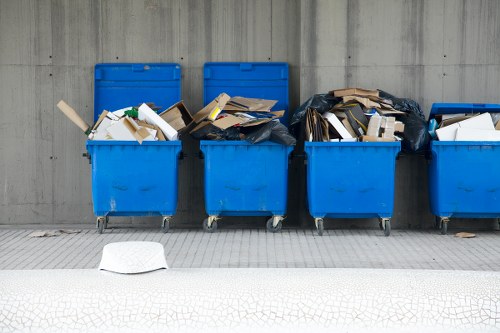 Notting Hill Skip Hire is committed to providing a safe and healthy working environment for employees, contractors and members of the public who may be affected by our operations. This Health and Safety Policy applies to all skip hire, rubbish collection, waste transport and disposal activities across our service area and reflects an ongoing commitment to minimise risk, promote safe systems of work and comply with regulatory responsibilities.
Our policy sets out clear responsibilities and processes for the management of hazards associated with skip hire operations, waste handling and vehicle movements. The guidance and controls described here are designed for a modern rubbish company, a skip hire provider and related waste management services. It is intended to be proportionate to the scale of activity and capable of adaptation to specific site or project requirements.
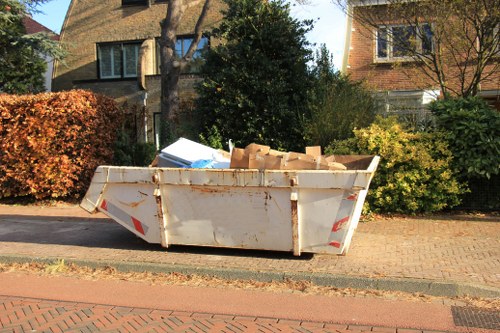 The objectives of this policy are to: ensure that risk assessments are carried out and recorded; provide appropriate training and supervision; maintain safe vehicles and equipment; ensure correct segregation, handling and disposal of waste; and foster a culture where safety is prioritised. Everyone working on behalf of the company must understand and actively support these objectives.
Responsibilities and Organisational Arrangements
Management will provide the necessary resources to implement this policy and will appoint designated persons to oversee health and safety compliance. Employees, drivers and contractors must follow safe working procedures, report hazards, and take reasonable care of their own health and safety. Line managers are responsible for ensuring that staff have access to training and correct personal protective equipment (PPE).
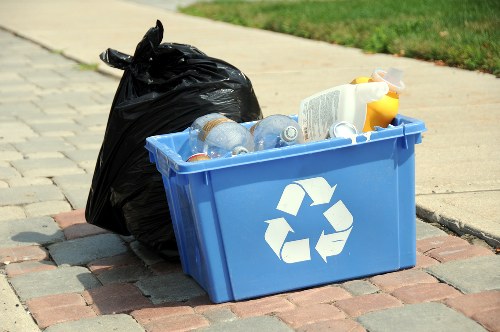 Risk assessments will be completed for regular tasks such as loading and unloading skips, lifting heavy items, handling hazardous materials and operating vehicles in public areas. Control measures will be implemented where risks are identified, including safe systems of work, physical safeguards, and procedural controls for hazardous waste. Assessments will be reviewed periodically or after significant changes to operations.
Emergency procedures are established to deal with incidents such as vehicle collisions, fuel spills, fire, medical emergencies and hazardous waste escapes. These procedures include immediate response actions, notification chains and post-incident review. All personnel will receive appropriate instruction on emergency arrangements.
Training, Competence and Communication
We will ensure personnel are competent through a combination of formal training, on-the-job supervision and refresher briefings. Drivers and operatives engaged in skip delivery and collection will receive training in vehicle loading limits, manual handling, traffic management and customer site safety. Subcontractors will be required to demonstrate equivalent competency before engagement.
Operational teams will be supported by documented procedures and toolbox talks that address common hazards associated with skip hire and rubbish removal. Communication channels will be maintained so that staff can raise concerns and suggest improvements. Records of training, briefings and qualifications will be kept as part of our compliance documentation.
Safe use of equipment and vehicles is essential. Regular maintenance, pre-shift vehicle checks and daily inspections of lifting equipment, tail lifts and winches must be carried out and documented. Vehicles used for waste collection will be fitted with appropriate restraints and safety devices.
Waste Handling, Segregation and Environmental Controls
Waste handling procedures are designed to protect people and the environment. Personnel must identify and segregate hazardous wastes, such as asbestos, solvents and contaminated soils, and follow appropriate containment and documentation procedures. Loads must be secure to prevent spillage during transit and collection.
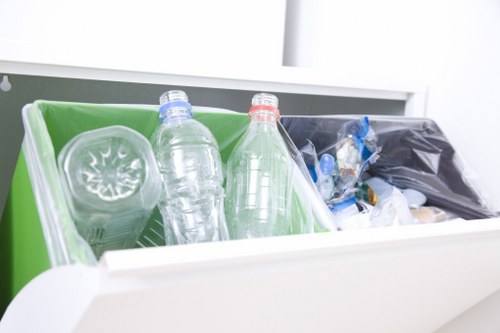 Key safe working practices include:
- Pre-collection site checks and risk assessments;
- Use of PPE appropriate to the task (gloves, hi-vis, safety boots, eye protection);
- Adherence to loading limits and safe stacking within skips;
- Clear communication with customers about prohibited items and safe placement of skips.
Where waste is classified as hazardous or requires specialist disposal, the matter will be escalated to management and handled through licensed waste carriers and authorised facilities, in line with current waste management obligations.
Monitoring, Incident Reporting and Continuous Improvement
Our safety performance will be monitored through regular inspections, audits and review of incident reports. All accidents, near misses and unsafe conditions must be reported promptly so that corrective actions can be taken and lessons learned. Records of incidents and subsequent investigations will be retained to inform ongoing improvements.
 This policy will be reviewed at least annually, or sooner if there are significant changes to operations, legislation or following a serious incident. Reviews will consider feedback from operational teams, audit findings and evolving best practice in the skip hire and rubbish removal sector.
Commitment: Notting Hill Skip Hire is committed to protecting the health and safety of employees, customers and the public. All staff are expected to comply with this policy, participate in training and help maintain a safe working environment. Management will provide leadership, resources and oversight to ensure the policy is effectively implemented and maintained.